One morning, you wake up and notice it, hanging in the little corner of your laptop screen, disregarding the screens of any games you’re playing. One morning, you wake up and see it, it’s hanging out on your laptop screen, no matter how many games you have on it. It might be referred to as a black spot, a dead pixel, or a broken pixel, but the point is, it can be really frustrating, and the questions can add up quickly can it be fixed? Will it spread? So, can software really be of assistance? This guide brings all the facts about laptop screen broken pixels, how to know if you have a dead or stuck pixel, what growth is the best, and when you’ll have to take a chance with the only option of bringing in the laptop for a warranty or screen replacement. At the end of this, you’ll know what to do and what not to do.
Understanding Dead Pixels: What Is Actually Happening on Your Screen
What Is a Dead Pixel?
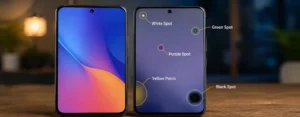
A dead pixel is a dead screen area on the laptop display where the electrons no longer move to the pixel. It will always be black k and will never change color based on what it’s shown. This is because the transistor for that particular pixel is broken and won’t be able to accept or function with the power. True dead pixel refers to the situation where the hardware is damaged and cannot be fixed with software. What Is a Stuck Pixel?
The faulty pixel is oftentimes mistaken for a failed (aka dead pixel). It is a unique issue. A non-functioning pixel, rather than going dark, will remain illuminated with a single colour (usually red, green, or blue) even if the rest of the display is dark. This happens when the liquid crystal that makes up pixels solidifies in a fixed state. Dead pixels will have no (functional) transistors, whereas a stuck pixel might have functional transistors and therefore can be made to shift again using software or a physical manipulation.
Why Does My Laptop Screen Have Black Spots?
Black spots on your laptop screen may be due to multiple reasons rather than just one. Common causes of manufacturing defects (damage to the transistor during manufacturing), physical pressure on the screen (may be light but over time), electric voltage level, the effects of extreme temperature, repeated opening and closing of the lid, and internal component failure. Unlike desktop monitors, which have completely rigid screens, laptops flex the screen mechanically when opening and closing the monitor, thus causing a physical stress that is especially damaging to their circuitry after several opens and closes.
Dead Pixel vs Stuck Pixel: Full Comparison
Correctly identifying your type of pixels is crucial before you try to fix anything. The table below summarizes all the important distinctions:
| Feature | Dead Pixel | Stuck Pixel |
| Appearance | Permanently black/dark | Fixed color — red, green, blue, or white |
| Cause | Transistor hardware failure | Liquid crystal frozen in one state |
| Software fixable? | No hardware fault | Often yes — 60–80% success rate |
| Does the pressure method work | Rarely | Sometimes (not for OLED) |
| Warranty coverage? | Yes — subject to threshold | Yes — subject to threshold |
The easiest way to distinguish them: use a solid black background. First, if the dot has disappeared (black back, white, or colored, it will be a stuck pixel, which is the easiest case to fix. In the case of having a dot remain black when viewed on all background colors (including white), it is a dead pixel and must be handled differently.
How to Diagnose Your Laptop Screen for Dead or Stuck Pixels
Step 1: Clean Your Screen First
Always use a dry microfiber cloth to clean your display before doing any tests. Anti-glare screens can also produce image defects in the form of dust particles or smudges. A single clean pass can remove the unnecessary concern that false positives have been caused. Step 2: Run an Online Pixel Test
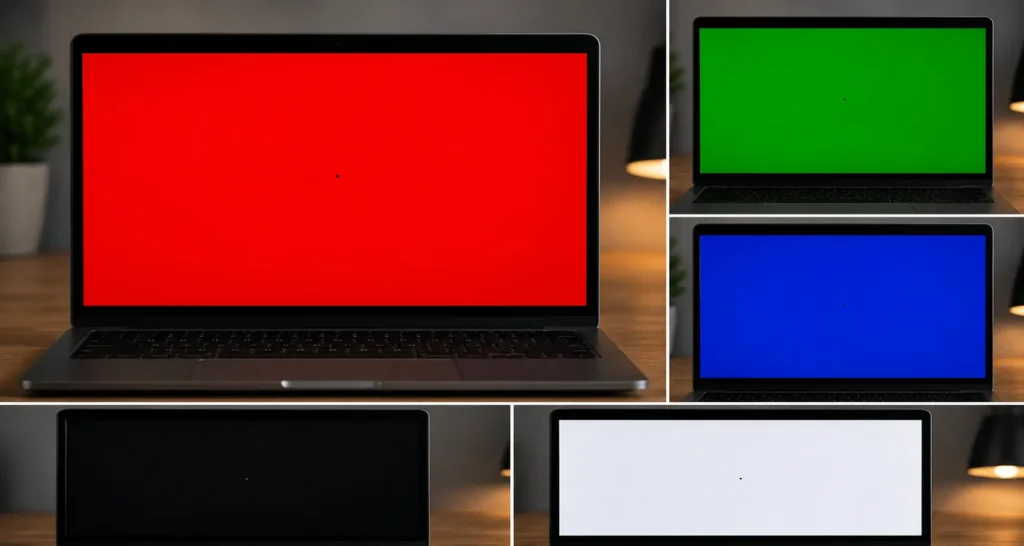
Several free browser-based programs alternate between a solid color for each level in sequence: Red, Green, Blue, Black, and White…throb on the screen, making any faulty pixels readily apparent. A list of three reliable services for 2026 is:
- JScreenFix — it is a plug-in that works immediately in the browser without any installation.
- DeadPixelCheck.com is another detailed multi-color cycle with a pass/fail view.
- InjuredPixels is a Windows-based app that lets you choose from a range of different color cycling options separately.
For greatest accuracy, conduct the test in a darkened room. Loop each of the 5 colors and record if the questionable dot looks different when placed on any color background.
Step 3: Interpret Your Results
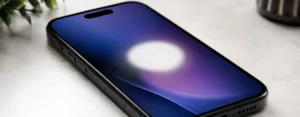
If it shows on light backgrounds and not on a plain black background, then you have a “stuck” pixel. If it is still black or dark in every colour,you are in front of a dead pixel. If it displays as a bright or glowing dot, this is a bright (also known as a hot) pixel and will be treated differently for repair. This is because you save time and don’t apply the wrong fix because of the incorrect diagnosis.
How to Remove Dead Pixels from Laptop Screen: All Proven Methods
Method 1: Pixel-Fixing Software (Best Starting Point)
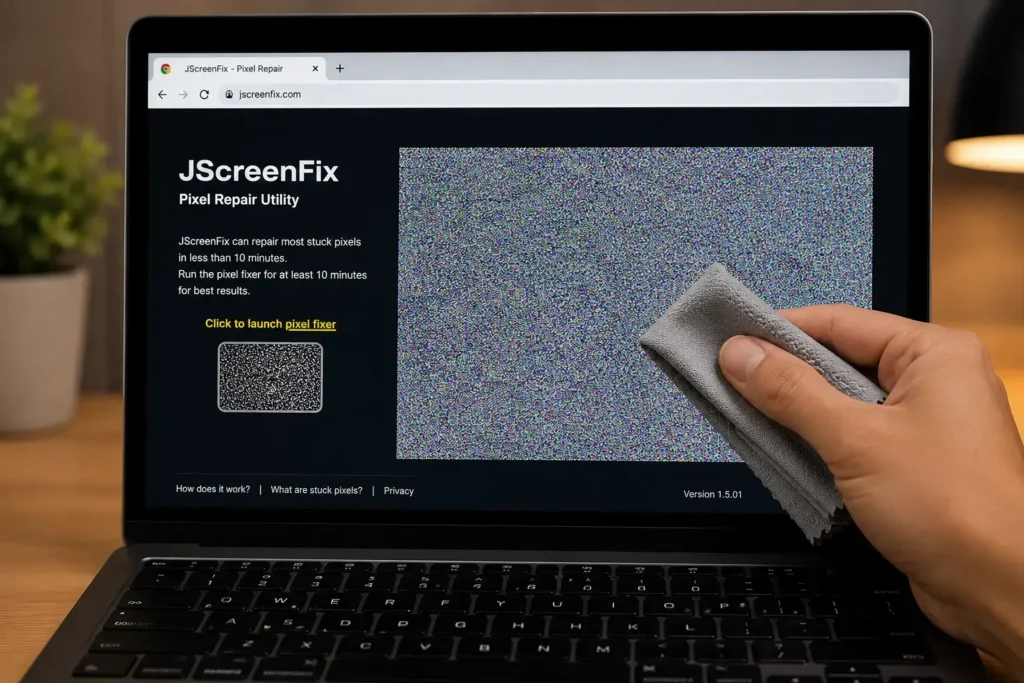
The principle of operation for ‘pixel-fixing’ software is based on the idea of flashing a frozen ‘pixel’ through thousands of color cycles per second, forcing the stuck liquid crystal to return to normal operation. This is the first and most trustworthy method and must be done first of all. If the stuck pixels are detected in the first week, the success rate is approximately 60-80 percent. On the 30th day or more, the success rate decreases as the liquid crystal becomes further fixed in place.
Use JScreenFix: type in the website in your browser (don’t be fooled by the racing white noise that appears on the screen; that is what the program is designed to fix), drag the animated white noise repair window directly over the affected pixel, and leave it open for at least 10 minutes. In severe instances, complete 30-minute treatment is advised. Perform the same if first run fails. For Windows users, you can download UDPixel (UndeadPixel), which comes with several flashing windows from which to choose, and which you can place exactly over each troubled pixel.
Method 2: The Gentle Pressure Method (Stuck Pixels Only)
A frozen liquid crystal can sometimes be ‘strained’ gently, for example, alumina can get realigned in LCDs. This approach may have some dangers, nd it must be done with great caution. What you need: a microfiber cloth (not a paper towel or rough fabric) and a hold-all pen or the end of a soft instrument.
Put your laptop computer screen to sleep. Cover the damaged area with the microfiber cloth, which has been folded. Press on just the area of the pixel and hold for 3-5 seconds, then lift off the lens. Turn the screen back on and see if it has changed colour. Avoid applying pressures that will show up in surrounding areas; if you see pressure moving across the display, u are too hard. Repeat process max 2x. Avoid high pressure, as it can damage the LCD layer permanently or increase the dead space.
Note: The pressure method should not be used on OLED screens, touchscreen laptop displays, or laptop displays that are still within the return window. Using the pressure method can permanently damage the OLED panels and may even compromise warranty coverage.
Method 3: The Heat Method (Low-Risk Alternative)
When the heat is turned on, the pixel-fixing software can improve success, because it makes the liquid crystals more mobile and easier to make them manipulate. This technique takes advantage of the natural heat of your laptop – no external heat source is required. Activated the laptop for 15-20 minutes to heat the screen evenly (run a video or a light application). Once the display is warm, use software to perform the pixel-fixing operation. The heat, along with a fast colour change c, can help to eliminate a “frozen” pixel. Never use a hair dryer, heat gun, or outside source of heat; the uneven localized heat is far more harmful to the ceilings than it will fix.
Method 4: Screen Off / On Cycle
An easy yet sometimes-fruitful method is to turn the laptop completely off, then turn it back on after 30-60 minutes. Thermal cycling (cooler and pre-heater) can sometimes correct a stuck pixel, especially if it was a very recent issue. It is a simple way that involves no tools and poses no risk; it’s definitely worth trying before anything more involved.
Why Does My Laptop Screen Have Black Spots: Deeper Causes Explained
Manufacturing Defects and Quality Control
The leading cause of pixel failure, particularly in newer laptops, is a manufacturing error. Overheating, electric shock, or mechanical breakage are sources of damage to the panel’s pixels during production. Although there are quality assurance and quality control measures in place, there are some known “bad” pixels that slip through. That’s why most manufacturers set a limit (sometimes very low) on what is considered a “defect” pixel instead of promising a panel with “no defects”.
Physical Damage and Screen Pressure
Lethal causes of dead pixels and larger black areas created by damaged liquid crystal layers include physical impacts, dro,p,s or pressure applied to the display of a closed laptop. Any kind of pressure, even soft pressure from stacking things on top of a closed laptop or pressing on the screen surface, can cause a degradation of pixels over time. When black spots start to spread or when they get bigger, it is probably the result of physical damage to the LCD layers.
Electrical and Thermal Causes
Clusters of failing individual pixels can occur as a result of electrical surges—especially when they affect the GPU or display driver circuit. Permanent damage to or total displacement of the liquid crystal layer within individual pixels occurs with extreme temperature exposure, such as placing the laptop in a hot car. Display circuitry can also be damaged by condensation formed when moving a cold laptop to a warm place.
Display Technology Differences
The kind of screen that your laptop has is the one that determines the behavior of pixel failure in your laptop. When there are dead pixels on a regular LCD screen, the dots are seen as black, due to the fact that the light behind them cannot penetrate the pixel. On an OLED laptop, dead pixels create real black (because each OLED pixel emits its own light), but OLED displays are more prone to ‘burn-in’ patterns than single dead pixels. The failure or unintended backlight bleed in LED-back illuminated screens may generate a larger dark area instead of a single-pixel defect.
Laptop Screen Broken Pixels: When to Claim Warranty
Understanding Manufacturer Pixel Policies
The majority of manufacturers of laptops observe the standard of pixel defect classification given by ISO 9241-302. For most consumers, or Class IIconsume,,r one dead pixel is not necessarily an automatic right to replacement. Manufacturers determine a specific maximum number of defects, which will be sufficient for the recurrence of the defect and warrant a replacement or repair. When it comes to a claim, it’s better to know your brand’s policy before you call support, as this offers a much better chance of claiming success.
| Brand | Standard Warranty Threshold | Premium / Zero-Defect Policy |
| Dell | 6+ stuck or 8+ dead pixels | XPS / Precision: any single visible defect |
| HP | Multiple defects — on a case-by-case basis | HP Support evaluates individually |
| Apple | Threshold-based — Apple discretion | AppleCare+ may cover a single dead pixel |
| Lenovo | ISO Class II standard applies | ThinkPad Premium: tighter tolerance |
| ASUS | Multiple defects required | ROG / ProArt: enhanced pixel policy |
How to Make a Successful Warranty Claim
Be thorough in documenting the defect before contacting support. Take a screenshot(not a phone snapshot) of the screen, and the screen is displaying a pure white or solid colour background. Document the type of laptop. Perform a formal pixel test at a diagnostic location and record the test with a screenshot of different backgrounds, highlighting the failed pixel. Dick Chonelos ignited his bike’s ignition key as soon as possible after it arrived; the longer, the more you will have to change your theory that it was detected when in use rather than at the point of sale. When shopping with a retailer with a return window (like Amazon, always 30 days; Best Buy, 15–30 days based on member tier), a direct return or exchange will happen in less time and for a more secure outcome than a warranty claim.
When Repair Is Not Possible: Screen Replacement
Signs That Replacement Is the Right Answer
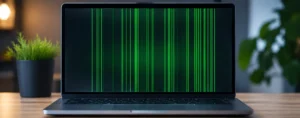
If you’ve tried software fixes, the pressure method, and a warrantyclaim to no avail, and the dead pixel is in a way that obstructs your everyday use, such as the center of the screen, a text area, or while watching a video, then it’s time to start considering screen replacement. Clusters of multiple dead pixels, a darkened portion of the display, or lines of dead pixels throughout rerefer harda ware malfunction which software solutions are not effective.
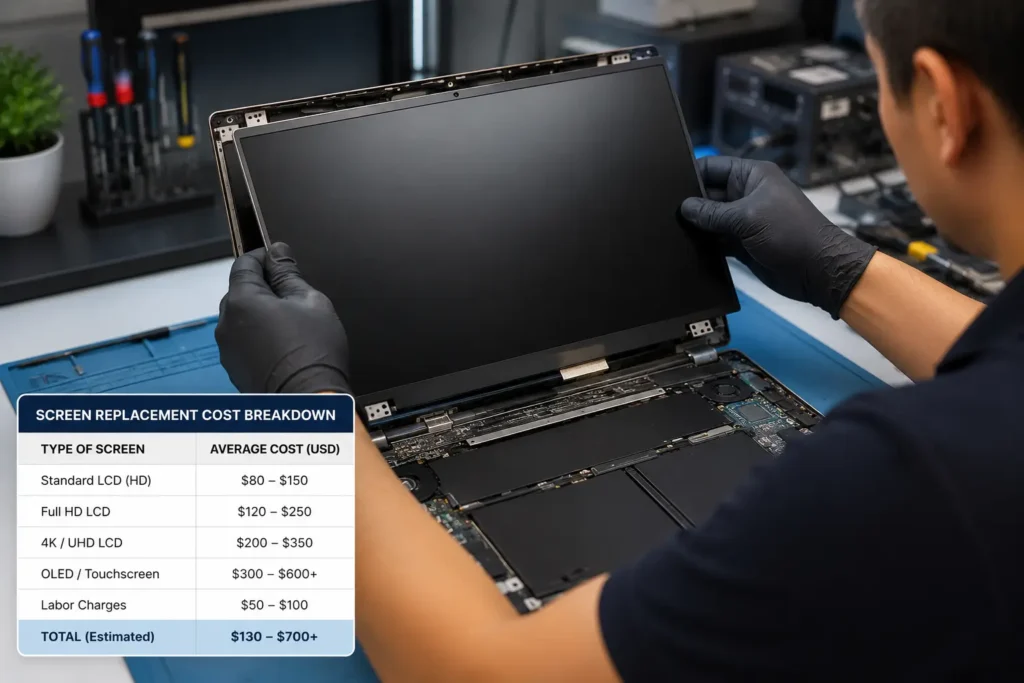
Screen Replacement Cost Breakdown
| Laptop Type | Estimated Cost (USD) | Notes |
| Budget laptop (sub-$500) | $80 – $150 | Paneofis ten available; labor cost dominates |
| Mid-range laptop | $150 – $250 | OEM panel vs third-party options available |
| Premium/ultrabook | $250 – $400 | OLED panels significantly more expensive |
| Gaming laptop (OLED) | $300 – $500+ | High-refresh OLED panels are premium-priced |
The cost of third-party repair shops is usually lower than that of the manufacturer’s service center because the parts are usually not OEM quality. If a replacement is at least half the value of the laptop, buying a new laptop instead of upgrading the parts might be a better solution.
Using an External Monitor as a Workaround
In cases where the dead pixel wait for replacement is not yet deemed necessary, connecting an external monitor (HDMI, DisplayPort, or USB-C) acts as a temporary solution. This is particularly suitable for applications where the computer is used in a desk environment, where the laptop will act more like a desktoworkstation. Theehe internal screen keeps working as normal, and the external one keeps working in case precision work needed to be performed due to a defect in the area being covered by the internal screen.
How to Prevent Dead Pixels on Your Laptop Screen
Physical Care and Handling
The lion’s share of preventable pixel damage is due to physical pressure. Never use anything on a laptop that is closed. Only clean the screen with a dry or lightly dampened microfiber cloth and gently do horizontal cleaning strokes — using a pressure or rough material creates micro-stress to the pixel layer. Use a padded sleeve or case when transporting the laptop, and do not position the laptop in any way where it can be directly impacted by force to the lid/screen.
Environmental and Electrical Protection
Avoid placing your laptop in an environment with high or low temperatures. Living in a hot car for long periods of time or in direct sunlight can cause damage to the liquid crystals in a laptop. Always charge items from a quality surge protector, especially in areas with variable electrical power supply. Sudden failure has been proven to result from a power surge entering the display circuitry.
Screen-On Best Practices
Do not leave a static image on screen for a long time at 100%. If you do, static content will burn in faster on the OLED laptop than on any other type, especially static content such as “off” in the off/on indicator when on a dark background. Use a screen saver or set the automatic display sleep time. The overall effect of reducing the brightness over long periods is to provide cooling to the display panel and help preserve longer pixel lifetimes.
Conclusion
If your dot on your laptop has different color depending on different backgrounds, you are having a problem with a “stuck pixel“: Use JScreenFix or UD Pixel and apply at least one 30 minute treatment. So, if the dot still refuses to turn white, regardless of what background you use, you’ll have to face the fact that you’re dealing with a dead pixel which can’t be repaired with software. Next steps will be to contact the warranty (Documentation is essential, do so sooner the better) and replacing the screen if it is in a position it will affect during day to day use.
When a single pixel is in a corner, and you can tune it out in your mind – particularly in a laptop computer which is outside its warranty period. it’s a 100% rational point of view. Hard pressing, heating with a heat source, and waiting for an accepted warranty until its expiration time are the methods you should never take. You will solve this much quicker than most people think, if you act early and select the proper technique for your type of pixels.
Also Read : Spots on Mobile Screen Explained: Common Causes and Effective Fixes
Frequently Asked Questions
Can dead pixels be permanently removed from a laptop screen?
If the dead pixels aren’t removable or repairable as the result of a failure of the physical components, the only way to correct a permanently dead pixel is to replace the display.
What causes laptop screen broken pixels to appear suddenly?
The most common cause of pixel failure is a physical shock, electrical surge or manufacturing defect occurring after prolonged use of the screen.
Why does my laptop screen have black spots that are larger than a single pixel?
Generally damaged or displaced liquid crystal layers (from physical pressure) are detected by bigger size of black spots, not by individual pixel failure.
Does pixel-fixing software work on dead pixels?
No — pixel fixing software will only fix the stuck pixels, which have a frozen, but still living transistor part.
Is the pressure method safe to use on all laptop screens?
No — pressure method should never be used on OLED panels, touchscreen displays or laptop that’s in the return period or still covered under warranty.
How long should I run Screen Fix on a stuck pixel?
It can be run for at least 10 minutes (30 minutes is recommended if stuck pixels are persistent).
How many dead pixels does a manufacturer require before replacing the screen?
Under normal conditions of use, Dell’s warranty includes 6+ or 8+ stuck/pixels (it varies depending on the brand and the level).
Can a stuck pixel fix itself naturally?
Yes — Can fix itself in days or weeks, especially in new laptops where the liquid crystal will realign.
What is the difference between a dead pixel and a black spot on a laptop screen?
The difference between a dead pixel and black spot is that a dead pixel is a single failed-pixel that manifests itself as a very small black spot, whereas a black spot is typically a larger area of LCD failure that includes multiple pixels or the entire liquid crystal section.
How much does it cost to fix laptop screen broken pixels through replacement?
The price for a screen replacement varies by brand and type of screen, from $80 for budget laptops up to $500 or more for high-end OLED gaming screens.