Engraving is among the oldest forms of creating designs, text, or markings that can survive forever in a variety of materials. The journey of engraving from traditional art on metal plates to sophisticated engraving machines, such as laser etchers, in the manufacturing process has made it a significant technological advancement that caters to industries, businesses, artists, and consumers all over the world.
Engraving is used today to mark for many different purposes, es including product customization, industrial marking, manufacturing, branding, identification, artwork decorations, and personal gifts. Laser engraving and CNC engraving are among the modern technologies, which have changed the traditional engraving methods into quicker, more exact,t and suitable forms of production.
If you want to know how engraving works, what engraving technology is, or even if you’re considering setting up a business in engraving, this guide is for you.
What Is Engraving?
The operation of engraving means to carve, cut, or mark a pattern, design, logo, text, or image onto a surface. The material is removed, which leaves a permanent mark.
Engraving is a process that physically changes the surface of the material; unlike printing or painting, engraving is highly long-lasting and durable.
Engraving can be done manually by using special tools available on hand, or automatically by machines like laser engravers or CNC engraving machines.
How the Engraving Process Works
The basic engraving process starts by:
- Developing a plan for making a design or artwork.
- Preparing the material surface.
- Choosing the engraving technique.
- The process of incorporating the design into the material by means of carving.
- Cleaning and finishing the engraved area.
The final application is a lasting and consistent mark, which can last for many years.
Why Engraving Is Important Today
Engraving is used forTh e following is the use of modern engraving:
- Product branding
- Industrial identification
- Personalized gifts
- Awards and trophies
- Jewelry customization
- Nameplates
- QR code marking
- Serial number engraving
- Decorative artwork
- Manufacturing applications
In an era dominated by industries embracing automation and digital manufacturing, engraving technology has emerged as a valuable tool for precision marking and customization.
The History and Evolution of Engraving
Engraving is a technique of art that dates back thousands of years. People in ancient civilisations carved symbols and art into stone, metal,tal, and wood for various reasons, such as to tell stories and to decorate.
In the course of time, engraving went through several phases:
| Period | Engraving Development |
| Ancient Era | Stone and metal carving |
| Medieval Period | Decorative weapon and jewelry engraving |
| Renaissance | Artistic printmaking and detailed engravings |
| Industrial Revolution | Mechanical engraving machines |
| Modern Era | CNC engraving and laser engraving technology |
In today’s world, digital engraving systems are far more versatile, fast, and precise than traditional engravers.
Different Types of Engraving
There are different types of engraving, including types of engraving that are suitable for various materials and uses. Become familiar with the distinctions between these methods to decide on the appropriate method to address a specific need.
Hand Engraving
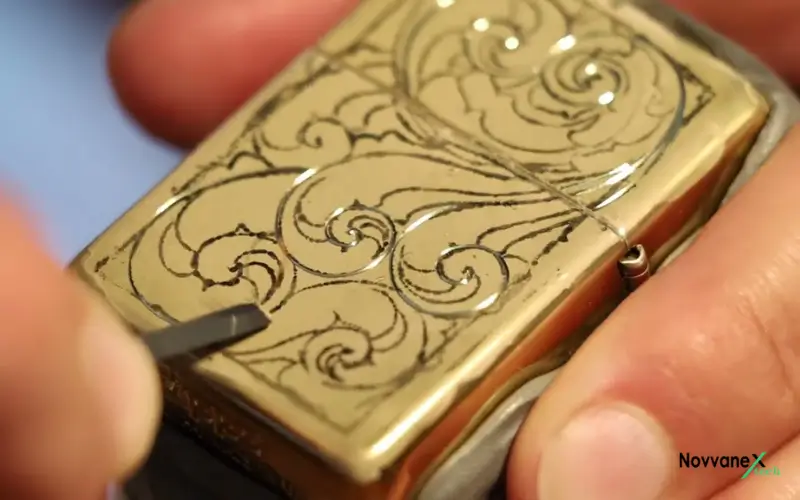
Hand engraving is one of the most experienced and recognized techniques used to engrave. Gravers, burins, and other tools are used by skilled craftsmen to produce designs in a material. This technique is an experiment and takes many years to master, and requires artistic talent to produce such engravings, especially those that are used in luxury goods and fine art.
One of the favored applications of hand engraving is jewelry, firearms, watches, and ornamental metalwork. It takes longer than modern manufacturing processes to do, but it can produce a level of craftsmanship that is not achievable on a machine.
Mechanical Engraving
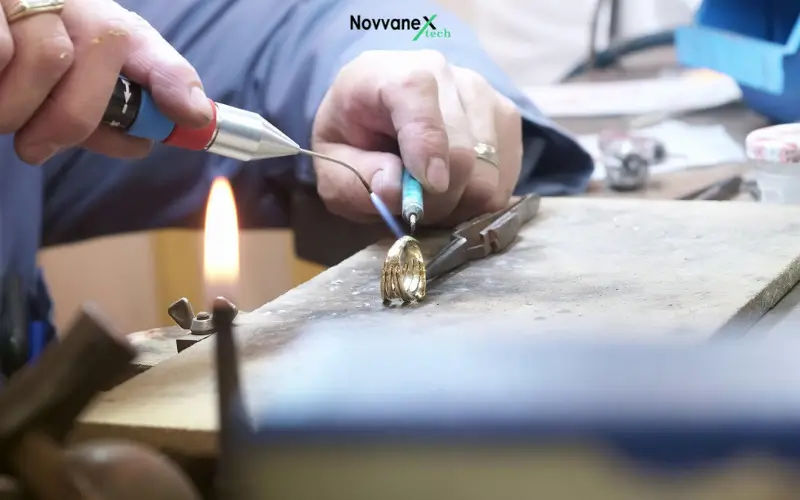
Mechanical engraving involves the use of power tools that cut away from the surface of the material with the use of a cutter. This approach improves the consistency and efficiency of the process and keeps results consistent and high-quality. It’s often employed in industrial labeling, nameplates, and signage.
Rotary Engraving
The rotary engraving method uses a spinning cutting tool to carve into a material like wood, metal,l and plastic. The depth of the cut may be varied to meet the requirements of the project. Rotary engraving is commonly used for identification tags, plaques, and control panels in businesses.
CNC Engraving
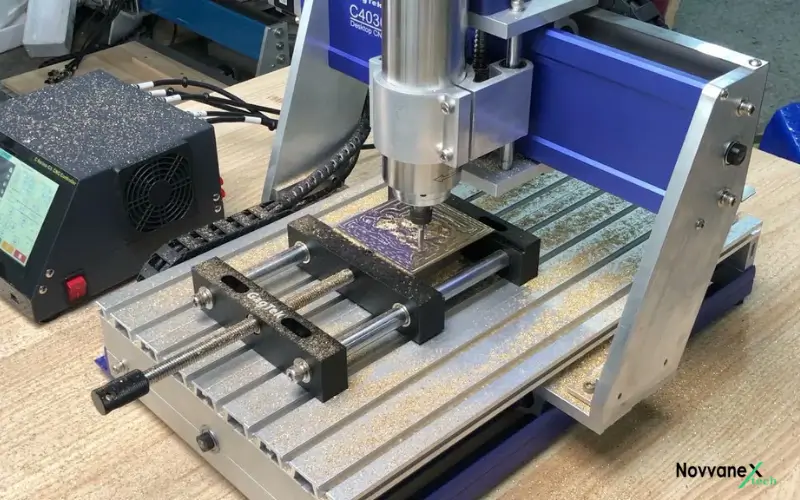
CNC engraving involves the use of computer numerical control (CNC) machines for precise cutting and engraving. The machine reads the digital instructions and can accurately engrave complex designs in the same manner again. In woodworking, metalwork, and industrial production, CNC engraving is widely used.
Laser Engraving
Laser engraving is among the latest technologies for engraving available nowadays. A concentrated laser beam vaporizes material from the surface without using any cutting tools. It produces a clean, accurate, and permanent impression that can be easily and precisely replicated.
The particular convenience of laser engraving is that it has arguably the highest precision, while it still offers the advantage of maintenance-free cutting parts for traditional cutting tools.
How Laser Engraving Works
The laser engraving technique is used to transfer light energy and blow away material from the surface.
A digital design is created using engraving software as the first step in the process. The machine then traces out the design path and beams a concentrated laser beam onto the material.
Main Components of a Laser Engraver
The laser engraving machine usually has the following components:
- Laser source
- Motion control system
- Laser head
- Cooling system
- Control software
- Work area platform
All these are vital to achieve accurate and efficient engraving.
Types of Laser Engraving Machines
CO2 Laser Engravers
CO2 lasers come in handy when used for:
- Wood engraving
- Acrylic engraving
- Leather engraving
- Glass engraving
Fiber Laser Engravers
Fiber lasers have an advantage for:
- Metal engraving
- Industrial marking
- Deep engraving
- Serial number engraving
Diode Laser Engravers
Ideal for the novice due to the very low cost and ease of use, the diode laser is widely used.
CNC Engraving vs Laser Engraving
CNC Engraving
CNC engraving operates in a similar manner in that material is removed directly by contact with the cutting tool, but with the help of computer control. Perfect for deep cuts, intricate forms, and wood, metal, and industrial designs. It’s a technique that is employed in the sign-making industry, woodwork, and manufacturing.
Laser Engraving
Laser engraving is a manufacturing method that permanently imprints without contact being made. It’s ideal for logos, text, images, product branding, acrylic, glass, metal, and more, for details, speed, and precision.
Comparison Table
| Feature | CNC Engraving | Laser Engraving |
| Precision | High | Very High |
| Speed | Moderate | Fast |
| Maintenance | Higher | Lower |
| Physical Contact | Yes | No |
| Complex Designs | Good | Excellent |
| Fine Details | Good | Excellent |
Materials That Can Be Engraved
Engraving’s versatility is in part due to its ability to be applied to a wide range of materials. Contemporary engraving technology can work with any metal, plastic, wood, or stone.
Metal Engraving
Engraving metal is widely used in various industries and business applications. Various technologies can be used for stainless steel, aluminium, brass, copper, titanium, gold, or silver engraving. The serial numbers, product branding, labeling of machines, and personalized jewellery are all very common uses for metal engraving.
Wood Engraving
Carved wood is still used to make decorative items, add decoration to furniture, engrave signs, and create personal gifts. Laser engraving can be used to create complex patterns on wood without allowing the wood to lose its natural look.
Acrylic Engraving
Acrylic is popular for business signs and displays, awards, and promotional items. Acrylic engraved is highly durable high level of professional appearance and colour.
Glass Engraving
Glass engraving produces beautiful designs, usually utilized on presents, drinks vessel holding, decorative objects, and also on business gifts. Laser technology enables a detailed image and text to be incised with amazing clarity on the glass surface.
Leather Engraving
Engraving is a great way to add a personal touch to leather goods, like wallets, belts, bags, and journals. It provides a premium appeal to the consumer market, demanding custom products.
Stone and Marble Engraving
Memorial plaques, monuments, architectural decoration, and decorative art are common uses of stone engraving. The modern engraving machines can engrave very fine patterns even on the toughest materials.
Material Compatibility Table
| Material | Laser Engraving | CNC Engraving |
| Wood | Yes | Yes |
| Acrylic | Yes | Yes |
| Leather | Yes | Limited |
| Glass | Yes | No |
| Stainless Steel | Yes | Yes |
| Aluminum | Yes | Yes |
| Marble | Yes | Yes |
Software Used in Modern Engraving
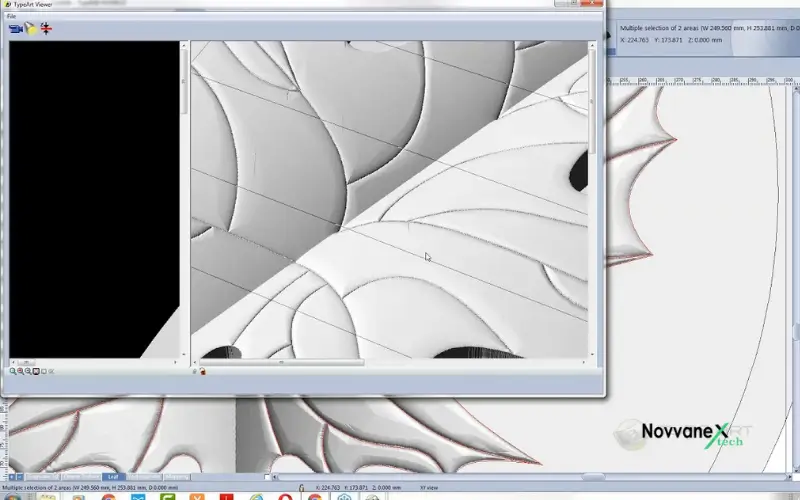
These days, engraving is done with specialized software, which is used to design engraving, manage layout,s, and control engraving machines. These tools make it possible to create professional and accurate engravings based on the user’s ideas.
LightBurn
The majority of laser engraving software is a popular solution called LightBurn. It is a complete package of design creation, editing tools, and features for machine control, all in one application, which is loved by everyone from professionals to businesses.
LaserGRBL
LaserGRBL is an easy-to-use software solution for laser engraving machines for novices. It is widely used in small workshops and among hobbyists due to its ease of use and availability for free.
CorelDRAW and Adobe Illustrator
From creating vector graphics to detailed artwork, CorelDRAW and Adobe Illustrator are widely used programs. Trimming and collating books is an engraving service that utilizes these programs to create logos, text, and custom illustrations for engraving projects.
AutoCAD and Fusion 360
AutoCAD and Fusion 360 are widely used in engineering and manufacturing applications. They offer cutting-edge design functions for technical drawings, product design, and CNC engraving purposes.
Applications of Engraving in Modern Industries
Broadly speaking, engraving is an integral stage of lots of industries because of its capacity to create long-lasting, exact, and professional marking.
Manufacturing Industry
Engraving is used in different businesses to make serial numbers, identification schemes, asset tracking systems, and quality testing systems. For enhanced traceability and compliance, use permanent markings.
Automotive and Aerospace Industries
Engraving is used in the automotive industry and the aerospace industry for marking critical components, identification codes, and maintenance information. The markings are intended to ensure compliance with safety and regulatory requirements.
Medical Industry
Engraving is a valuable practice for medical device manufacturers, as it provides long-lasting identification that helps with product tracking, patient safety, and regulatory compliance. Jewelry and Personalization.
Jewelry and Personalization
Engraving is a valuable and artistic art for adding on to jewelry, tailored items, and much more, as it enables names, dates, messages, etc., and custom styles to be permanently composed into items.
Branding and Marketing
Engraving is used in businesses for promotional products, corporate gifts, awards, plaques,s and branded products to leave a lasting mark and a lasting impression.
Benefits of Engraving Technology
The popularity of engraving is increasing rapidly because of its ability to get durable, accurate, and customized results.
Permanent Markings
The engraved designs will become part of the surface of the material and will therefore cause minimal fading, peeling, and wear over time.
High Precision
Even with small surfaces, these machines can engrave details with great accuracy, including logos, images, text, and patterns, as and when required.
Improved Efficiency
Automated engraving systems provide faster production, alongside assuring the uniformity of the product and thereby saving time and cost for the businesses.
Product Customization
Engraving will help add value for users by enabling them to include their names, logos, serial numbers, and individually designed, personalized items.
Engraving vs Etching vs Embossing
These are a couple of techniques that are frequently mistaken for one another, but yield different outcomes.
What Is Engraving?
Engraving involves carving, cutting, or otherwise marking or cutting into a surface to produce an indented pattern or impression that is permanent and lasting in nature.
What Is Etching?
Etching involves using chemicals or laser technology to mark by modifying the surface of the object. It is mostly used for ornamental and engineering purposes.
What Is Embossing?
Embossing is a process that punches patterns into the top layer of material, but it’s not a removal process. It is commonly applied to packaging material and leather.
Comparison Table
| Feature | Engraving | Etching | Embossing |
| Surface Removal | Yes | Yes | No |
| Raised Design | No | No | Yes |
| Permanence | High | High | Moderate |
| Common Uses | Metal, wood, glass | Metal, glass | Paper, leather |
Future Trends in Engraving Technology
Engraving Systems are still getting faster, more accurate, and more efficient.
Artificial Intelligence in Engraving
AI design software is enabling users to create unique artwork and workflows for engraving more efficiently than ever before.
Automation and Smart Manufacturing
In manufacturing settings, automated engraving systems can be easily integrated with production lines, minimizing manual labor and boosting productivity.
Industry 4.0 Integration
Nowadays, the modern engraving machines are being integrated into connected manufacturing systems, allowing for real-time monitoring, data sharing, and streamlined operations.
Sustainable Engraving Solutions
The manufacturers are developing eco-friendly engraving technologies that will minimize waste, consume less energy, and help to create sustainable production.
The Future of Engraving
With the progress of technology, it is expected that the engraving will become more and more accurate, automatic,c and accessible, which will create new opportunities for enterprises, manufacturers, and creative people around the world.
Final Thoughts
Engraving has successfully transitioned from one of the oldest art forms to modern technology, powering the manufacturing and branding, customization, and industrial identification of products. Engraving is still a dependable and professional method to ostensibly identify any of a variety of materials, whether engraved by hand, through CNC machinery, or advanced laser systems.
In an automated, digitally controlled, and smart production world, engraving technology is likely to continue to play a vital role in the modern production processes of industries. Engraving is a unique marking technique that combines precision, durability, and versatility, making it an ideal choice for businesses seeking long-lasting branding solutions or for anyone looking for customized products.
You Also Like:
What Is Supabase? The $10.5 Billion Startup Powering the Vibe Coding Revolution in 2026
What Is Gemini Spark? Google’s 24/7 AI Agent Fully Explained
Frequently Asked Questions
What is engraving used for?
Customization, industrial marking, product branding, product identification, creation of decorative artwork, and personalized gifts are some of the most common uses of engraving.
What materials can be engraved on?
They can be made from wood, metal, acrylic, leather, glass, stone, marble, or some other type of plastic.
Can you undo the laser engraving?
Yes. Laser engraving will produce permanent marks and is extremely durable and fade-resistant.
What engraving technique is the best?
These will vary with the material and its use. Precision and speed are normally the reasons for laser engraving.
What’s the difference between engraving and etching?
Engraving involves removing material, whereas etching is usually done with chemicals or processes on the surface.
Can I have a jeweller engrave my Stainless Steel?
Yes. Fiber laser engraving systems/CNC engraving machines can be used to engrave stainless steel.
What software is commonly used in engraving?
Some of the more popular engraving software are as follows: LightBurn, LaserGRBL, CorelDRAW, Adobe Illustrator, AutoCAD, and Fusion 360.
Is CNC engraving better than laser?
Both have advantages. Both CNC engraving and laser engraving have their own advantages. CNC engraving is well-suited for deep cuts, and laser engraving is more accurate and faster.
Will engraving wear out?
Typically, properly marked notations will last for long periods of time, which can even be a lifetime.
What are the applications of engraving technology?
Engraving technology is used in various fields, including manufacturing, aerospace, automotive, electronics, medical, jewellery, branding, and advertising.