
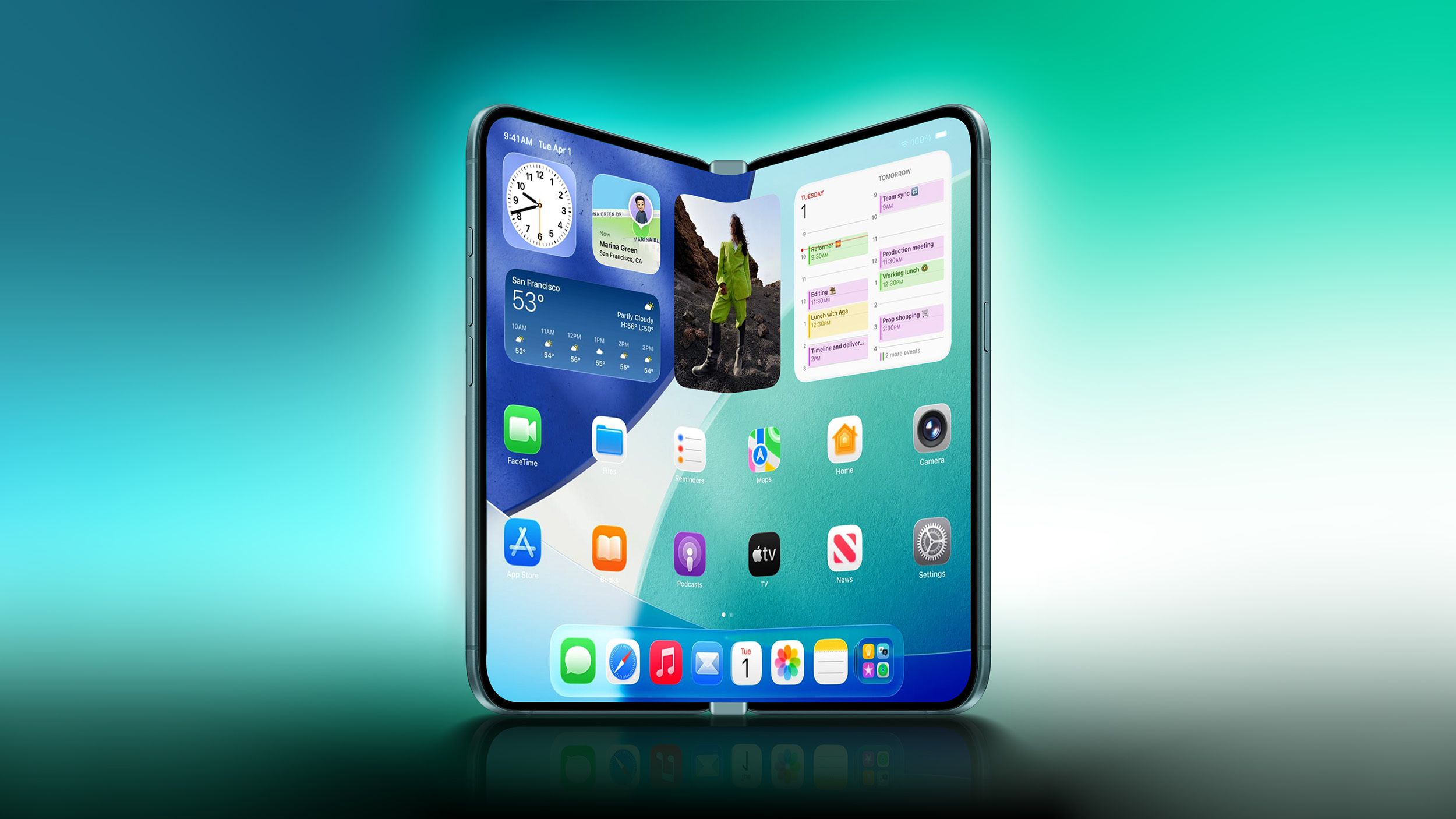
The foldable smartphone market is about to change fundamentally. Apple is entering a space that Samsung has dominated for seven generations, and it is doing so with the iPhone Fold — a device that carries the weight of Apple’s first major new form factor in years. For buyers with around $1,999 in their pocket, the question is no longer just about specs. It is about ecosystems, trust in a new design, and which premium flagship smartphone will actually serve you better over the next three to four years.
Samsung has refined the Galaxy Z Fold 7 across multiple generations. Its hinge mechanics are tested, its Android foldable software experience is mature, and its pricing has a slight edge. Apple brings a completely new crease-free screen design, the A20 Pro chip on a 2nm process, and iOS 27 rebuilt around the 4:3 aspect ratio of the inner display. This comparison breaks down exactly where each device wins — and who should buy which.
Design and Build Quality
Apple took a deliberate design direction with the iPhone Fold. The passport-style iPhone form factor folds open to a 7.76-inch screen but sits in your hand like a small notebook — significantly wider and shorter than the Galaxy Z Fold 7. The titanium aluminum frame combined with a Liquidmetal hinge gives it structural rigidity Apple is backing with a standard warranty.
Samsung’s Galaxy Z Fold 7 takes a taller, narrower approach — a 7.6-inch inner screen and a 6.3-inch cover display. It folds at approximately 4.7mm compared to the iPhone Fold‘s claimed 4.5mm when open, making Apple’s device the thinnest foldable at launch. What separates the two is Apple’s use of transparent polyimide and optically clear adhesive layering — expected to produce a far less visible crease. Samsung’s larger outer display at 6.3 inches still wins for one-handed folded use.
Samsung Galaxy Z Fold 7 — A Closer Look
The Galaxy Z Fold 7 continues Samsung’s tradition of pushing the Android foldable experience forward with every generation. One UI 8 has been redesigned to take full advantage of the 7.6-inch inner screen — with a persistent taskbar, seamless app continuity from cover to main display, and Galaxy AI deeply embedded across the camera, messaging, and productivity apps. For an Android foldable, this is as mature as software gets.
The 6.3-inch cover display is the Galaxy’s most compelling daily-use feature. It is large enough to browse, reply to messages, and navigate apps without ever opening the device — something the iPhone Fold‘s 5.49-inch outer display simply cannot match in comfortable single-handed use.
Full Spec Comparison
| Feature | iPhone Fold (2026) | Samsung Galaxy Z Fold 7 |
| Inner Display | 7.76-inch OLED (4:3 ratio) | 7.6-inch AMOLED |
| Outer Display | 5.49-inch OLED | 6.3-inch AMOLED |
| Processor | Apple A20 Pro (2nm) | Snapdragon 8 Elite 2 Gen |
| RAM | 12GB | 12GB |
| Battery | Dual-cell 5,000mAh | 4,400mAh |
| Folded Thickness | ~4.5mm (thinnest ever) | ~4.7mm |
| Rear Cameras | Dual 48MP cameras | Dual 50MP + 10MP telephoto |
| Biometrics | Face ID + Touch ID | Under-display fingerprint |
| MagSafe | Yes | No |
| Starting Price | ~$1,999 | ~$1,799 |
| OS | iOS 27 + Apple Intelligence | Android 16 + One UI 8 |
| Available | September 2026 | Mid 2026 |
Performance and Software
The A20 Pro chip on TSMC’s 2nm process is expected to be the fastest mobile processor at launch. With 12GB RAM, the iPhone Fold handles demanding multitasking without compromise. Samsung’s Snapdragon 8 Elite 2nd Gen is equally powerful, and One UI 8’s multi-window management is genuinely mature.
Where Apple Intelligence changes things is on productivity. iOS 27 was built for the foldable’s 4:3 aspect ratio from the ground up — with redesigned split-screen layouts and real-time Apple Intelligence features working across apps. The tight hardware-software integration Apple brings is a genuine advantage here.
Camera System
Camera hardware is where Samsung has a structural advantage. The Galaxy Z Fold 7 offers a triple rear system with dedicated telephoto zoom — something the dual 48MP cameras on the iPhone Fold cannot match in optical zoom range. However, Apple’s camera control button and computational photography engine lead in real-world low-light and portrait results. The C2 modem and N1 chip ensure fast connectivity that benefits Apple Intelligence photo features.
Battery and Charging
The dual-cell 5,000mAh battery in the iPhone Fold is a significant spec advantage. Apple’s battery management and the efficiency of the A20 Pro chip should deliver strong real-world endurance. MagSafe compatibility and wireless charging round out the feature set. Samsung’s 4,400mAh battery is smaller but One UI’s aggressive optimization closes some ground — and Samsung charges faster via wired.
Price and Value
The iPhone Fold starts at approximately $1,999, positioning it at the top of the foldable market share by price. Samsung’s Galaxy Z Fold 7 is expected at around $1,799. For existing Apple ecosystem users, the integration value offsets much of the premium. For Android users or first-time foldable buyers, Samsung’s maturity and lower price make it the more rational choice.
Ratings at a Glance
| Category | iPhone Fold | Galaxy Z Fold 7 | Winner |
| Design & Build | 9.2 / 10 | 8.8 / 10 | iPhone Fold |
| Display Quality | 9.0 / 10 | 9.0 / 10 | Tie |
| Performance | 9.5 / 10 | 8.7 / 10 | iPhone Fold |
| Camera System | 8.8 / 10 | 9.2 / 10 | Galaxy Z Fold 7 |
| Software & Ecosystem | 9.3 / 10 | 8.5 / 10 | iPhone Fold |
| Value for Money | 7.5 / 10 | 8.2 / 10 | Galaxy Z Fold 7 |
| Overall Score | 8.9 / 10 | 8.7 / 10 | iPhone Fold |
Conclusion
The iPhone Fold is the more complete premium flagship smartphone for users already inside Apple’s world. Its thinner build, crease-free screen technology, A20 Pro chip performance, and Apple Intelligence integration give it genuine advantages over the Galaxy Z Fold 7 in most day-to-day categories.
Samsung remains the better choice for buyers who want a larger cover screen, proven foldable reliability across seven generations, and a $200 saving. The Android foldable experience on the Galaxy is a mature, capable platform — not a compromise.
Both devices will face limited availability at launch. If the iPhone Fold is your target, securing pre-order access from day one will be necessary. What is certain is that the foldable market share is about to shift — and 2026 is the year this category becomes genuinely exciting.
Frequently Asked Questions
Is the iPhone Fold worth buying over the Samsung Galaxy Z Fold 7?
For existing Apple ecosystem users, the iPhone Fold is worth the premium. Its A20 Pro chip, crease-free screen, and deep Apple Intelligence integration make it the more future-proof choice. For Android users or first-time foldable buyers, the Galaxy Z Fold 7‘s proven reliability and lower price at $1,799 make more practical sense.
What is the release date of the iPhone Fold?
Apple is targeting a September 2026 launch alongside the broader iPhone 18 lineup. Mark Gurman has confirmed the timeline remains on track, though limited availability at launch is expected given complex manufacturing requirements and high early demand.
How does the iPhone Fold display compare to Samsung?
The iPhone Fold‘s inner display measures 7.76 inches with a 4:3 aspect ratio — wider and more tablet-like than Samsung’s 7.6-inch taller panel. Apple’s OLED foldable display uses transparent polyimide and optically clear adhesive layering to minimize crease visibility. Samsung’s outer display at 6.3 inches is larger for folded use compared to Apple’s 5.49-inch cover screen.
Will the iPhone Fold have a crease?
Apple has specifically engineered the iPhone Fold with a crease-free screen as a core design goal. The combination of transparent polyimide, optically clear adhesive, and a custom Liquidmetal hinge system is intended to reduce crease visibility significantly compared to current Android foldable devices — though real-world confirmation awaits launch.
What is the price of the iPhone Fold?
The iPhone Fold is expected to start at approximately $1,999, making it the most expensive iPhone Apple has ever released. Analyst Ming-Chi Kuo projected pricing between $2,000 and $2,500 depending on storage. Samsung’s Galaxy Z Fold 7 is expected at around $1,799, offering a roughly $200 saving on entry-level models.
Does the iPhone Fold support MagSafe?
Yes — leaked case images and supply chain sources confirm MagSafe compatibility on the iPhone Fold. The device also supports wireless charging and works with the existing MagSafe accessory ecosystem. The Galaxy Z Fold 7 does not support MagSafe.
Which has better cameras — iPhone Fold or Galaxy Z Fold 7?
The Galaxy Z Fold 7 leads on optical zoom with its triple camera system. The iPhone Fold‘s dual 48MP cameras lead in low-light performance and portrait photography. For most users both deliver excellent results — the Samsung advantage is specifically meaningful for users who rely on long-range optical zoom.
Who Should Buy Which?
Buy the iPhone Fold if:
- You are already in the Apple ecosystem — iPhone, Mac, iPad, or Apple Watch
- iOS 27 and Apple Intelligence features matter to your daily workflow
- You want the most powerful mobile processor in a foldable
Buy the Galaxy Z Fold 7 if:
- You want proven durability and a mature foldable software experience
- A larger 6.3-inch cover screen for folded use matters to your daily routine
- You prioritize optical zoom or a slightly lower price point